




Handling multiple clients used to feel like constant context switching, jumping between emails, tasks, and deadlines without a clear system. Over time, building a reliable managing multiple clients workflow changed everything. The focus shifted from reacting to requests to creating a proactive structure that keeps work organized, predictable, and far less stressful.
Key Takeaways
- A strong workflow reduces mental overload and keeps every client on track without constant switching.
- Batching, time blocking, and centralized systems are essential for consistency and focus.
- Standardized processes and automation reduce repetitive work and errors.
- Clear communication and boundaries prevent confusion and scope creep while improving client relationships.
Why Managing Multiple Clients Workflow Often Fails
Most workflows fail because they are built reactively instead of intentionally designed for scale. Without a clear structure, every client feels like a separate system, which increases confusion and reduces efficiency. This often leads to missed deadlines and constant stress.
Another major issue is context switching. Jumping between different types of tasks drains mental energy quickly and creates what many call multi client chaos. Without batching or planning, productivity drops even when you are working long hours.
Managing Multiple Clients Workflow & Context Switching
Reducing context switching is the foundation of an effective workflow. It allows you to stay focused and complete tasks faster without mental fatigue. A structured approach ensures you are always working with clarity instead of reacting randomly.
Why Context Switching Hurts Productivity
Switching between tasks forces your brain to reset repeatedly. This reduces efficiency and increases the chance of errors. Over time, it leads to burnout and inconsistent output.
Shift From Reactive To Proactive Systems
A proactive workflow plans tasks in advance and groups similar work together. Instead of responding to every request instantly, you follow a defined structure that controls your day.
Batching And Time Management Strategies
Batching and time management are key to keeping your workflow efficient and sustainable. They help you stay focused and reduce unnecessary interruptions throughout the day.
Task Batching For Better Focus
Group similar tasks together instead of working client by client. For example, complete all research tasks in one session and all content creation in another. This reduces mental switching and improves speed.
Day Theming And Time Blocking
Assign specific days or time slots to certain types of work. You can dedicate one day to meetings and another to deep work. Time blocking in 60 to 90 minute sessions helps maintain concentration and productivity.

Stagger Project Phases
Avoid having multiple clients in the same demanding phase at once. Spread projects across different stages like planning, execution, and review to balance workload and reduce pressure.
Centralized Project Infrastructure For Client Workflows
A messy backend creates confusion and causes important tasks to slip through the cracks. A centralized system ensures everything is easy to track and manage.
Unified Project Management Tools
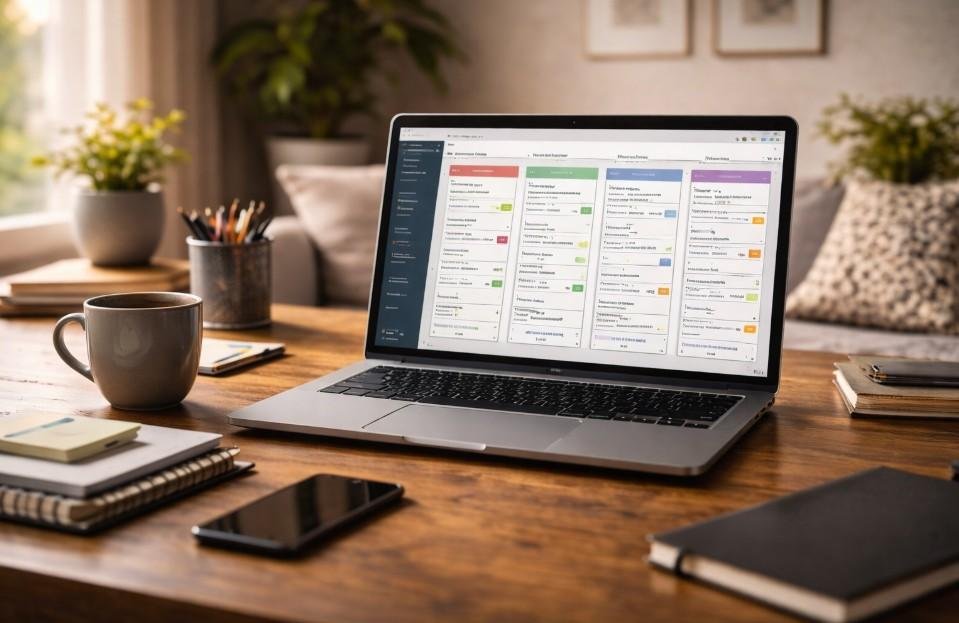
Using tools like Asana or Monday.com allows you to track all projects in one place. This improves visibility and reduces the need to search for information.
Visual Boards And Organization
Platforms like Trello help break projects into clear stages using boards and cards. This makes it easy to see progress and identify bottlenecks.
Master Calendar And Client Portals
Maintaining a single calendar for deadlines, meetings, and buffer time keeps everything aligned. Client portals centralize communication, documents, and updates, reducing back and forth emails.
Standardized And Automated Processes
Standardization removes guesswork and ensures consistency across all client work. Automation further reduces manual effort and saves time.
Automated Onboarding Systems
Create a repeatable onboarding process that triggers tasks automatically when a new client is added. This ensures nothing is missed and sets a strong foundation for the project.

Templates And Repeatable Workflows
Using templates for proposals, reports, and deliverables eliminates the need to start from scratch. It also improves consistency and speeds up execution.
Feedback Loops And Revision Systems
Effective structured feedback systems keep revisions clear and manageable. Standardized forms and defined revision limits prevent endless changes and keep projects on schedule.
Communication & Boundaries In Workflow Management
Clear communication is essential for managing multiple clients effectively. Without boundaries, communication can quickly become overwhelming.
Set Clear Communication Rules
Define preferred communication channels and working hours during onboarding. This helps clients know when and how to reach you, reducing confusion.
Proactive Reporting Systems
Regular updates build trust and reduce the need for constant check-ins. Sharing progress before clients ask keeps communication smooth and professional.
Control Scope And Revisions
Setting clear limits on revisions prevents scope creep. It ensures projects stay within agreed timelines and avoids unnecessary delays.
Managing Multiple Clients Workflow For Freelancers & Agencies
Different working models require slightly different approaches to workflow management. Understanding these differences helps build a system that fits your needs.
Freelancer Workflow Simplicity
Freelancers benefit from simple and lean systems. Fewer tools and clear routines help maintain focus and avoid unnecessary complexity.
Agency Workflow Structure
Agencies require more structured workflows with delegation and collaboration. Clear roles, reporting systems, and communication channels become essential.
Scaling Your Workflow System
As workload grows, focus on improving processes instead of adding more tools. A refined system can handle more clients without increasing stress.
How To Manage Multiple Clients Workflow Step By Step
This section brings everything together into a clear and actionable process.

- Start by mapping out your entire client journey, from onboarding to client acquisition to final delivery. Each stage should be clearly defined so every client follows the same path. This creates consistency and reduces decision making.
- Next, build a centralized system where all client information, tasks, and deadlines are stored. This eliminates scattered data and ensures everything is accessible in one place.
- Then, implement batching and time blocking into your daily routine. Group similar tasks together and assign specific time slots to different types of work. This reduces context switching and improves focus.
- After that, create templates and standard operating procedures for recurring tasks. This speeds up execution and ensures quality remains consistent across all clients.
- Finally, review and refine your workflow regularly. Analyze what works, identify inefficiencies, and adjust your system to improve performance over time.
Frequently Asked Questions
1. What Is The Best Managing Multiple Clients Workflow?
A structured system with clear stages, batching, centralized tools, and automation works best for managing multiple clients efficiently.
2. How Do I Reduce Context Switching In Client Work?
Use task batching, time blocking, and day theming to group similar tasks and maintain focus.
3. Which Tools Help In Managing Multiple Clients Workflow?
Tools like Asana, Monday.com, Trello, and automation platforms help organize tasks and streamline workflows.
4. How Do I Avoid Burnout While Managing Multiple Clients Workflow?
Focus on proactive planning, automation, and setting clear boundaries to reduce stress and maintain balance.
Make Clients Happy Wisely
Building an effective managing multiple clients workflow is about creating a system that works for you, not against you. By reducing context switching, using batching techniques, and centralizing your processes, you can handle multiple clients with clarity and confidence. Start simple, stay consistent, and refine your workflow over time to create a scalable and stress free way of working.