


Every growing business eventually hits the same wall: the equipment, machinery, or infrastructure needed to reach the next level carries a price tag that could wipe out months of working capital in a single transaction.
Paying cash for those assets can be the right move in some situations, but it’s far from the only option, and for many businesses it isn’t the smartest one either.
The Core Problem With Writing a Large Check
Cash is the lifeblood of daily business operations. Payroll runs on it. Supplier invoices require it. Unexpected disruptions demand it. A business that depletes its cash reserves to acquire a major asset may own that asset outright but find itself dangerously exposed when the next ordinary expense arrives at an inconvenient moment.
This is the fundamental tension that most capital expenditure decisions sit inside. The asset is genuinely needed. The purchase price is substantial. And the question of how to fund it without compromising operational stability is one that has a right answer for each business, but that answer isn’t the same for every situation.
What Capital Expenditure Actually Covers
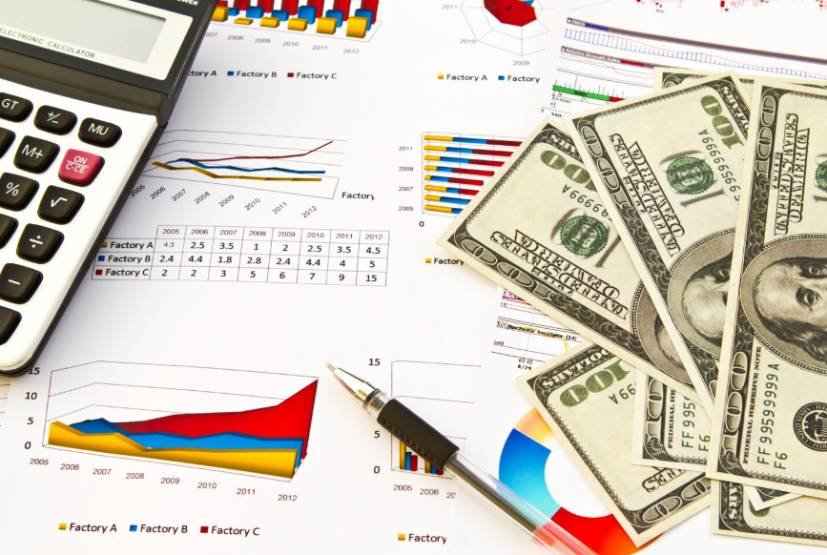
Capital expenditures refer to spending on assets that provide long-term value to a business rather than being consumed in a single operating period. Manufacturing equipment, commercial vehicles, technology infrastructure, warehouse facilities, and production line upgrades all fall into this category.
The defining characteristic is useful life. A capital asset isn’t used up this month or this quarter. It contributes to revenue and operations over years, sometimes decades.
That long useful life is exactly what makes financing these purchases a logical structure for many businesses, since the cost of the asset can be spread across the period during which it generates value rather than concentrated at the moment of acquisition.
Why Financing Often Makes More Sense Than Cash Payment
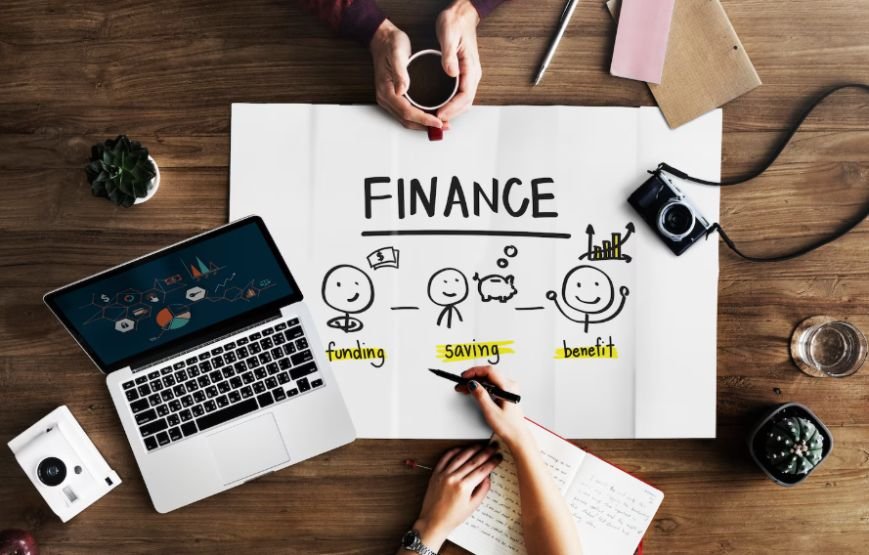
The math here is more straightforward than it’s sometimes presented.
Preserving Liquidity for Operations
A business with strong cash reserves has options. It can respond to unexpected opportunities, cover a slow revenue month without crisis, negotiate better terms with suppliers, and absorb disruptions that would cripple a less liquid competitor.
This financial flexibility is especially valuable for entrepreneurs learning how to turn your skills into an online business while investing in the tools, systems, and infrastructure needed for sustainable growth.
Spending a large portion of those reserves on a single asset, however necessary, reduces that optionality significantly.
Financing the same asset distributes the cost into manageable periodic payments that align with the revenue the asset helps generate. The business keeps its liquidity intact and can continue operating from a position of financial strength.
Matching Cost to Useful Life
There’s a practical logic to spreading payments across the life of an asset that cash purchases simply skip. A piece of manufacturing equipment expected to produce value for eight years costs the business across eight years of operations.
Paying for it entirely in year one front-loads the cost in a way that distorts cash flow and doesn’t accurately reflect how the asset delivers value to the business over time.
Asset-based financing aligns the payment structure with the economic reality of how the purchase actually benefits the business, which tends to produce a more accurate picture of true operating costs in any given period.
Tax Treatment Considerations
The tax treatment of financed asset purchases versus outright purchases can differ meaningfully depending on structure and jurisdiction.
Leasing, loan-based acquisition, and direct purchase all carry different implications for how the asset appears on the balance sheet and how payments are treated for tax purposes.
The specifics vary enough that any business making a significant asset acquisition should work through the tax implications with an accountant before committing to a structure, since the right financing approach often depends partly on which option produces the most favorable tax outcome.
Different Structures Serve Different Business Needs
Not all asset financing looks the same, and different structures suit different business situations.
Term Loans for Asset Acquisition
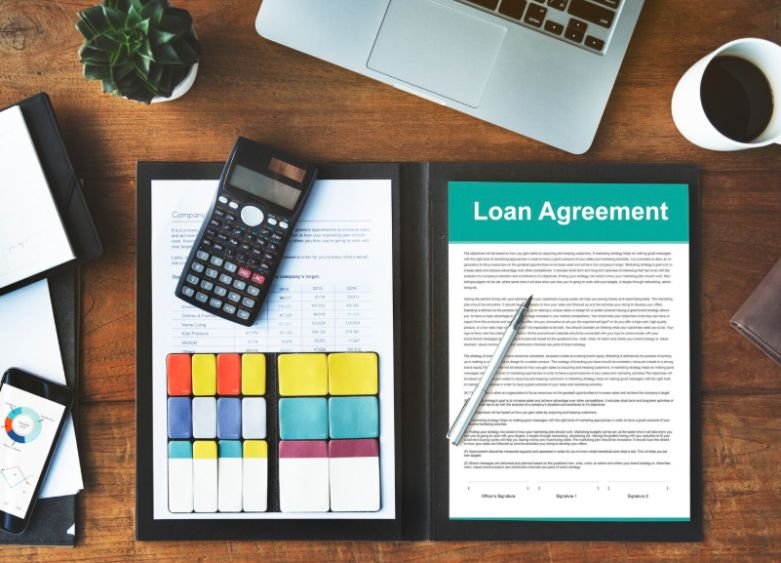
A straightforward term loan for an asset purchase provides the full purchase amount upfront, with the business repaying principal and interest over an agreed period. The business owns the asset immediately and can depreciate it accordingly.
This structure suits businesses that want straightforward ownership from the start and have the cash flow to support fixed monthly payments.
Equipment Leasing
Leasing provides use of the asset without full ownership, typically at lower monthly payments than a purchase loan. At lease end, the business may have the option to purchase the asset at a residual value, return it, or upgrade to newer equipment.
Leasing is particularly common in industries where technology cycles are short and owning depreciating equipment for its full life isn’t always in the business’s interest.
Lines of Credit for Staged Purchases
For capital projects that involve multiple purchases over time rather than a single large acquisition, a line of credit provides flexibility that a term loan doesn’t. The business draws what it needs when it needs it, rather than taking a lump sum and paying interest on the full amount before the purchases are complete.
Getting the Structure Right
Businesses evaluating CAPEX finance options benefit most from approaching the decision as a cash flow question rather than an asset question.
Understanding why organization matters on large projects can also help businesses coordinate budgets, financing timelines, suppliers, and asset delivery without creating avoidable operational disruptions.
The goal isn’t just to acquire the asset. It’s to acquire it in a way that preserves operational flexibility, matches payment timing to revenue generation, and doesn’t create a financing burden that undermines the very growth the asset is meant to support.
Conclusion
Funding major asset purchases is a decision with real consequences for operational flexibility and long-term financial health. The right structure depends on the asset, the business’s cash position, and how the financing aligns with the revenue the investment is designed to generate.