



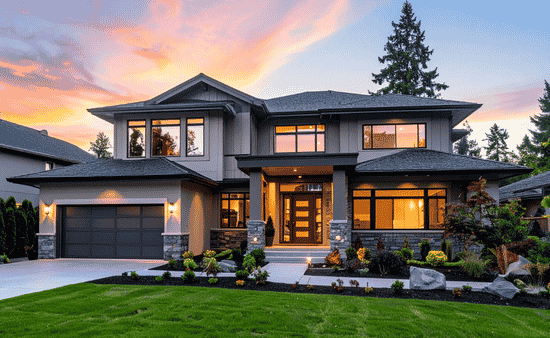
Building a custom home is one of the most rewarding journeys you can undertake. It offers the unique opportunity to design a living space tailored precisely to your family’s lifestyle, aesthetic tastes, and long-term functional needs.
However, breaking ground without a solid roadmap can quickly turn an exciting project into an overwhelming experience. To ensure a smooth, efficient, and successful build, navigating the construction process requires a blend of careful preparation, strategic budgeting, and expert execution.
Tip 1: Establish a Clear Vision and Detailed Plan
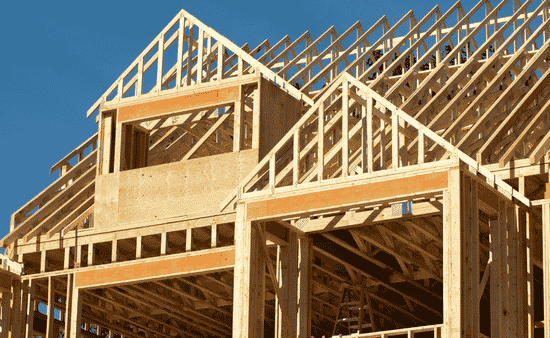
Every masterpiece begins with a clear vision. Before diving into the technical aspects, spend ample time listing your non-negotiables: the number of bedrooms, your preferred architectural styles, energy efficiency goals, and lifestyle requirements.
Do you imagine a modern open-concept space or a traditional segmented floor plan? Creating physical mood boards or digital inspiration folders helps you articulate these concepts cleanly to your design team. Translating your raw ideas into detailed architectural blueprints early on minimizes miscommunication and ensures that everyone from the designer to the framing crew shares the same exact goals.
Tip 2: Create a Realistic Budget with a Contingency Fund
Financial transparency is the bedrock of stress-free home construction. Your total budget must holistically cover land acquisition, municipal permitting fees, professional labor, structural materials, and interior finishing touches.
Because material costs naturally fluctuate and site conditions can reveal unexpected challenges, it is crucial to establish a financial cushion. Experienced builders recommend setting aside a 10% to 15% contingency fund. This structural buffer protects your project from stalling if unforeseen excavation issues arise or if premium finish selections exceed your initial estimates.
Tip 3: Choose the Right Location for Long-Term Value
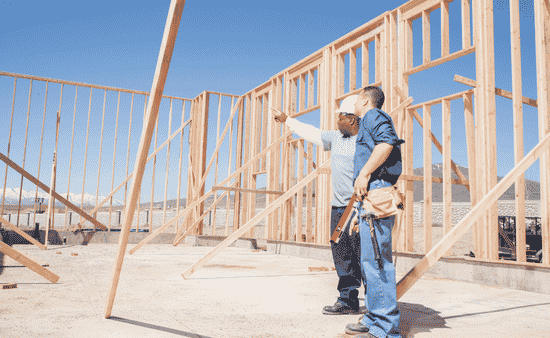
A beautiful house is only as good as the land it sits upon. When selecting a lot, look beyond the immediate property boundaries. Consider regional growth patterns, proximity to work, local school districts, and community infrastructure. Evaluating the plot’s physical terrain is equally essential; soil quality, natural grading, and utility accessibility directly impact your foundational engineering and site preparation costs. Choosing a prime location ensures that your home remains a highly functional sanctuary and a safe long-term financial investment.
Tip 4: Assemble a Reliable Team of Professionals
The success of your construction project heavily relies on the team you hire. Partnering with a reputable architect guarantees a structurally sound and aesthetically pleasing design that satisfies local building codes. Concurrently, a skilled general contractor will orchestrate daily operations, coordinate tradespeople, and maintain the timeline.
Take the time to vet candidates thoroughly: request detailed portfolios, verify licenses, check online reviews, and speak directly with past clients to gauge their reliability, communication habits, and professionalism.
Tip 5: Prioritize Quality and Sustainable Materials
When selecting building materials, opting for the cheapest available choices can be a costly long-term mistake. Prioritizing high-quality, durable components for your home’s structure—such as the foundation, framing, and insulation—safeguards your property against premature wear and structural hazards.
Incorporating sustainable elements like eco-friendly insulation or renewable resources further reduces your environmental impact and lowers monthly utility expenses. When planning structural integrity, sourcing your framing elements from a reputable steel supply in Salt Lake City can provide the durable, high-grade support your home needs to stand the test of time.
Tip 6: Manage Material Sourcing and Delivery Timelines
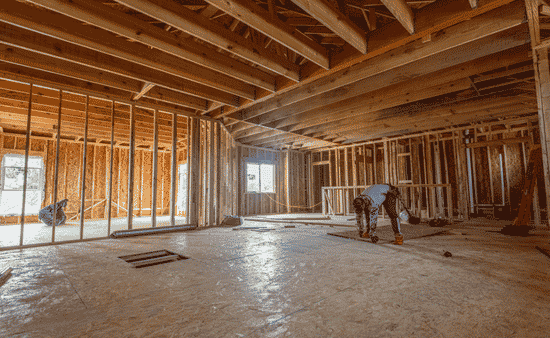
Modern supply chains require proactive management to prevent costly project delays. Specialized or custom finishes, such as custom-milled cabinetry or specific window fixtures, often carry long lead times. Work closely with your contractor to build a precise procurement schedule.
Compare quotes from multiple local suppliers, factoring in volume discounts alongside shipping or delivery surcharges. By finalizing and ordering critical materials well ahead of their scheduled installation dates, you keep the construction pipeline moving efficiently without unexpected interruptions.
Tip 7: Plan for Future Maintenance and Long-Term Upkeep
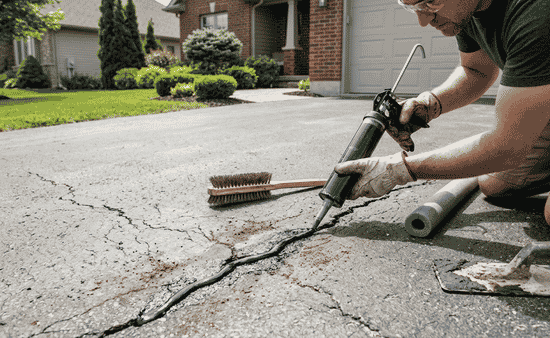
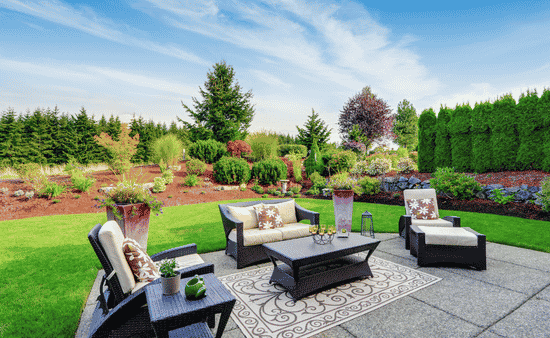
If you prefer a low-maintenance lifestyle, explore modern alternatives such as composite decking, engineered quartz surfaces, or vinyl siding. Balancing immediate aesthetic preferences with realistic long-term maintenance habits ensures your home remains beautiful without becoming a source of constant labor.
In Conclusion
Building your dream home is a monumental milestone that requires patience, structured planning, and informed decision-making. By setting a realistic budget, choosing the right professional partners, and focusing on material quality, you can navigate the complexities of construction with confidence. Take the time to enjoy the process, and soon you will step into a durable, beautifully crafted space that is uniquely yours.