


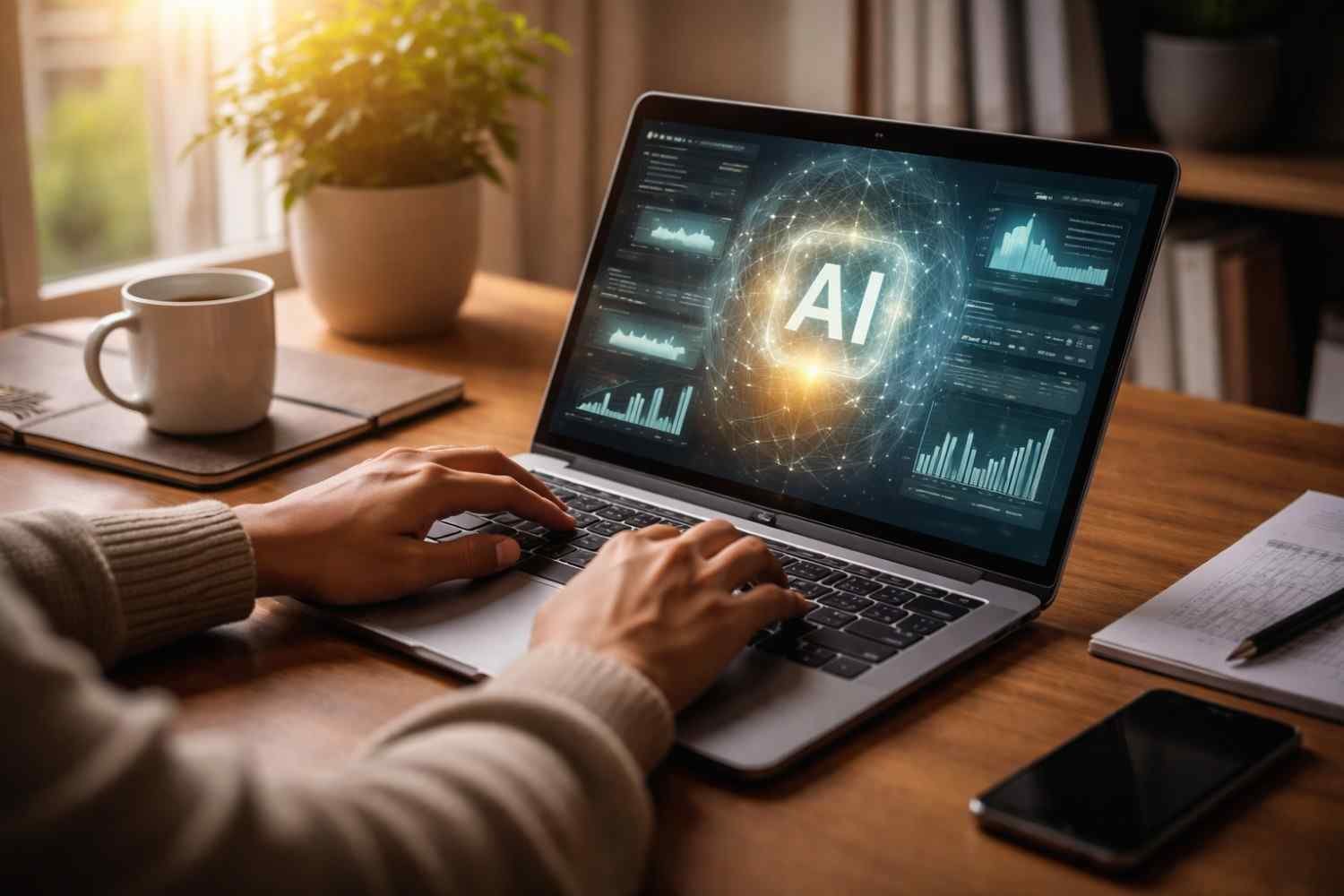
There was a time when using AI at work meant opening a chatbot, asking a question, and copying the answer somewhere else. It felt helpful, but disconnected. You still had to think through the process, move data manually, and stitch everything together yourself.
That’s no longer how work feels. Today, next-generation AI software is not sitting on the side; it’s embedded inside workflows, quietly doing the heavy lifting. You don’t always “use” it anymore. You work inside systems that already understand what needs to happen next.
The Shift From Tools to Teammates
The biggest change isn’t better features, it’s a complete shift in role. AI is no longer just a tool you operate. It behaves more like a teammate that can interpret intent, plan actions, and execute them without constant input.
This is where agentic AI enters the picture. Instead of waiting for instructions, these systems can break down a task into steps, execute them, and adjust based on real-time data. You’re no longer managing every micro-step. You’re guiding outcomes.
In practice, this changes how work feels. You move from doing tasks to reviewing decisions. That shift alone is redefining productivity.
What Modern Workflows Actually Look Like Now
Traditional workflows were linear. One task followed another, often across disconnected tools. You’d export data from one system, clean it in another, and manually update a third.
Now, workflows are becoming fluid and interconnected.
Here’s what’s different:
- Tasks are executed across systems automatically
- Data moves without manual intervention
- Decisions are triggered in real time
- Workflows adapt based on changing inputs
Instead of building processes step-by-step, teams are designing systems that run continuously in the background.
The Rise of Multi-Agent Systems
One of the most interesting developments is how AI systems are no longer working alone. Organizations are now deploying multiple specialized agents that collaborate.
Think of it like a small internal team:
- One agent plans
- Another executes
- A third reviews and validates
This layered approach reduces errors and improves reliability. It also mirrors how high-performing teams operate, which is why the output often feels more structured and accurate.
It’s a subtle but powerful evolution. Instead of one assistant trying to do everything, you now have coordinated intelligence working behind the scenes.
AI as Digital Labor Across Systems
There used to be a hidden layer of work in every business, the manual effort required to connect tools. Updating spreadsheets, syncing customer data, and reconciling reports. It wasn’t strategic work, but it was necessary.
Now, AI is handling that invisible layer.
It can:
- Pull data from multiple platforms
- Clean and organize it
- Trigger actions across tools
- Maintain consistency without manual checks
This is what people are starting to call digital labor. Not in a futuristic sense, but in a very practical, everyday way. The kind that quietly removes friction from operations.
Predictive Workflows Are Changing Decision-Making

Another major shift is how workflows are becoming predictive instead of reactive.
Previously, teams responded after something went wrong. A delay, a drop in performance, a missed target. Now, AI systems are monitoring patterns continuously and flagging risks before they escalate.
This shows up in simple but powerful ways:
- Identifying bottlenecks before they slow teams down
- Flagging unusual trends in performance data
- Anticipating operational gaps early
You’re not just reacting faster. You’re often acting before problems even surface.
Real Impact Across Different Roles
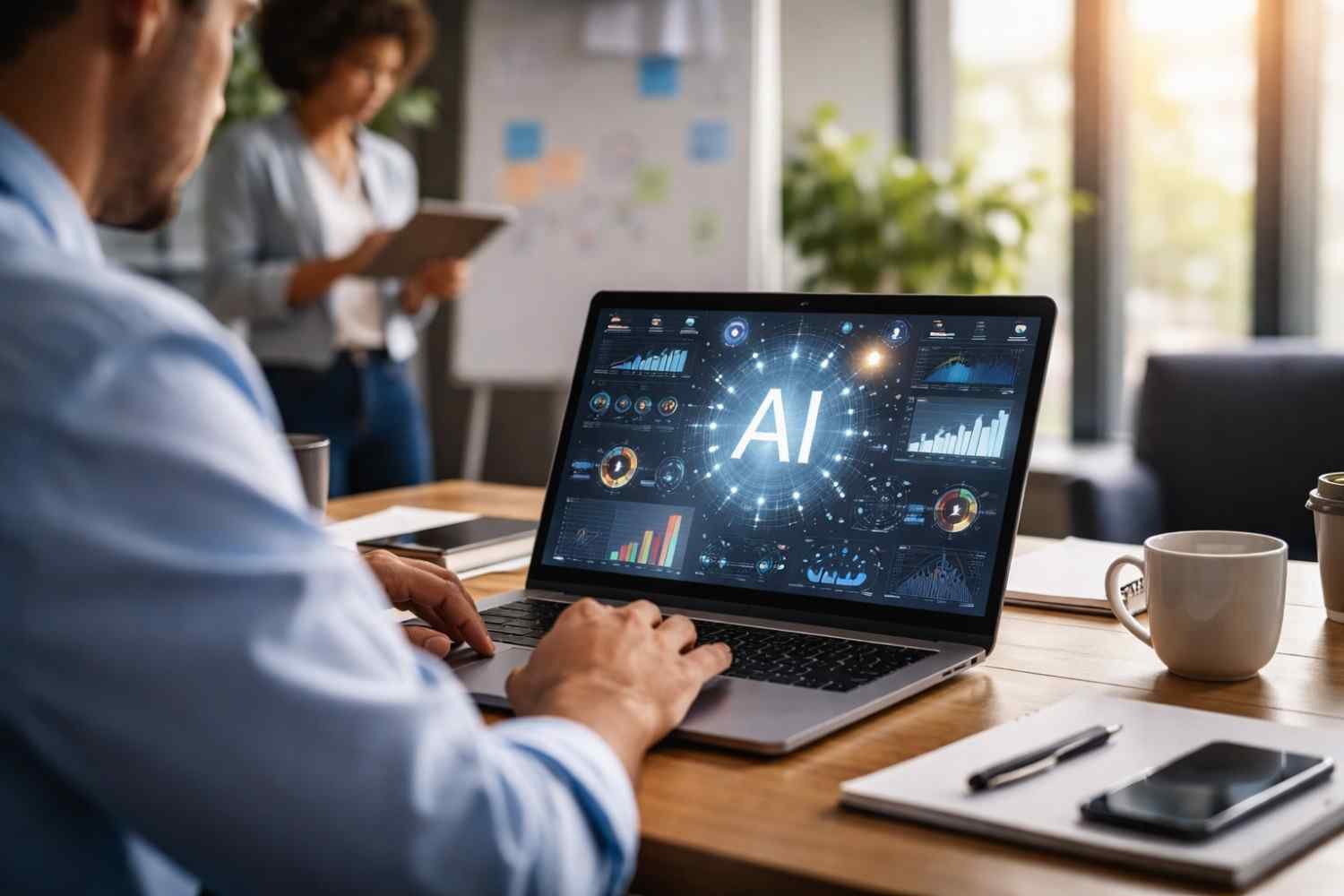
This shift isn’t limited to one type of work. It’s showing up across multiple domains, often in very practical ways.
In development, coding is no longer purely manual. Tools can generate structure, debug issues, and even suggest architectural improvements based on the full project context.
In operations, administrative tasks that once took hours are being completed in minutes. Screening, compliance checks, and reporting are increasingly automated.
In design, teams are moving toward parallel prototyping. Instead of testing one idea at a time, multiple variations are created and evaluated simultaneously.
Even in healthcare workflows, AI is assisting with administrative coordination, identifying missing information, and following up automatically to keep processes moving.
The common thread is simple: less manual coordination, more intelligent execution.
Where Most Teams Still Get It Wrong
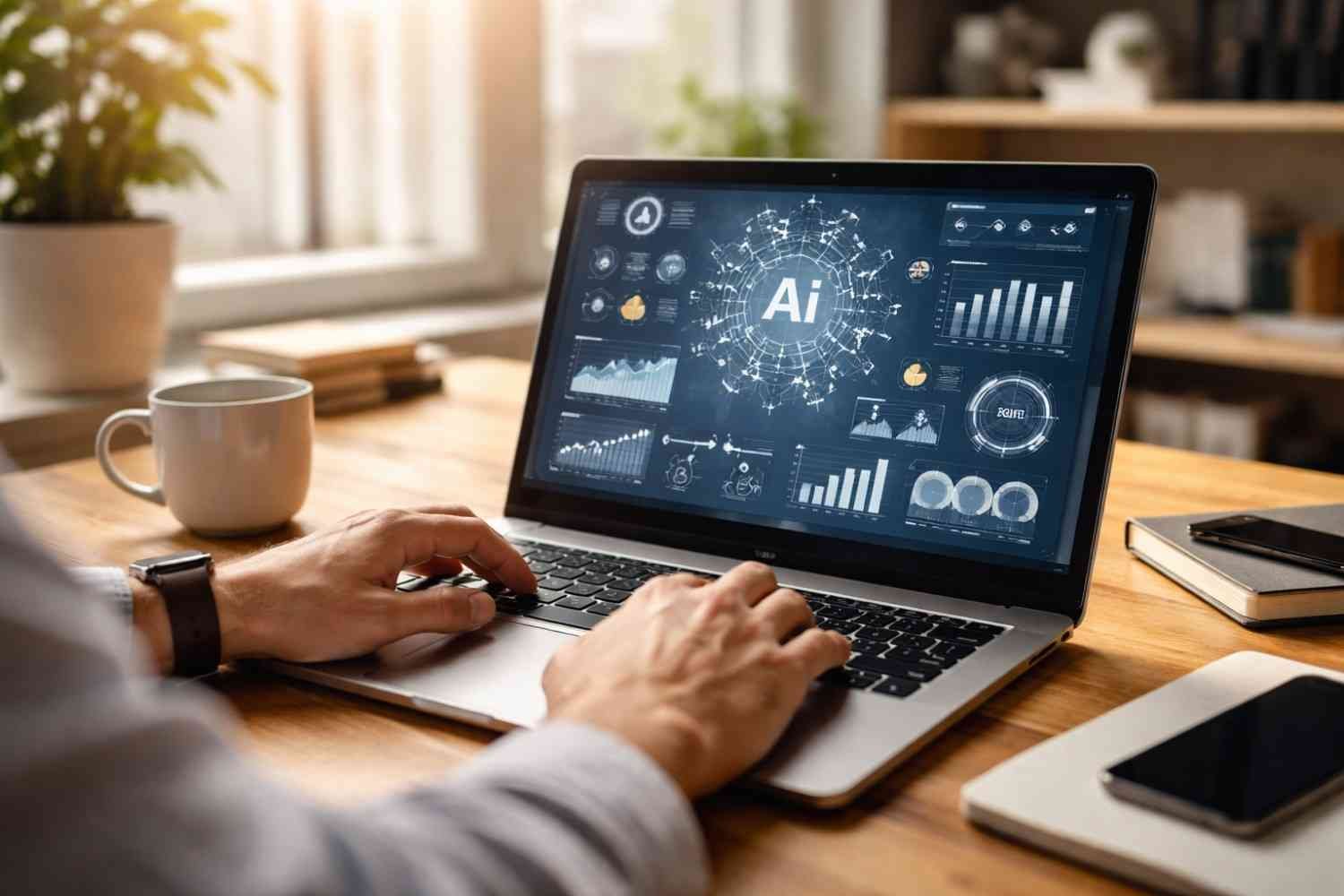
Despite all this progress, many teams are still approaching AI the old way. They treat it as a feature instead of a system.
That usually leads to:
- Isolated automation instead of connected workflows
- Over-reliance on prompts instead of structured processes
- Tools that assist, but don’t transform
The real value comes when workflows are redesigned, not just enhanced.
This is also where mindset starts to matter. Teams that truly benefit from AI aren’t just using better tools; they’re operating differently. In many ways, it aligns with thinking like high earners, where the focus shifts from effort to leverage and systems.
The Rise of AI Workflow Platforms
To support this shift, a new category of platforms is emerging. These aren’t just tools; they’re orchestration layers.
Some focus on:
- Connecting multiple apps into unified workflows
- Enabling no-code automation using natural language
- Managing large-scale, self-healing processes
- Embedding AI directly into daily work environments
The goal is no longer to simplify individual tasks. It’s to create systems where work flows seamlessly across functions.
Final Thoughts
What’s happening right now isn’t just an upgrade in software. It’s a shift in how work itself is structured. The move from manual workflows to intelligent, adaptive systems changes how decisions are made, how tasks are executed, and where human effort is actually needed. The most noticeable part is how invisible it all feels. Work becomes smoother, faster, and less fragmented, but only if workflows are designed with intention.
At the same time, this shift requires a different way of thinking. Not just about tools, but about systems, leverage, and control.
FAQs: How Next Generation AI Software Is Quietly Reshaping Modern Workflows
1. What is next generation ai software in simple terms?
It refers to AI systems that go beyond basic automation and can plan, execute, and adapt workflows with minimal human input.
2. How is AI changing workflows today?
AI is automating entire processes, enabling real-time decisions, and reducing manual coordination across tools.
3. What are agentic AI systems?
These are AI systems that can independently break down tasks, execute them, and adjust based on outcomes without constant prompts.
4. Is AI replacing human work completely?
No. It is shifting human roles toward oversight, strategy, and decision-making rather than repetitive execution.