





I believe wealth comes from big, life-changing decisions—one perfect investment, one breakthrough moment, or some kind of insider knowledge. But over time, I realized that real financial growth doesn’t happen that way. It’s not sudden or dramatic. It’s built slowly through systems that you repeat consistently over years.
Once I truly understood How to Build a Long-Term Wealth Strategy, everything started to feel more structured. I stopped reacting to money problems and started planning ahead. That shift made my finances feel calmer, more predictable, and far less stressful. Instead of guessing what to do next, I followed a clear system that worked over time.
Key Takeaways
- A strong strategy starts with structure, not investing
- Consistency matters more than timing
- Cash flow, debt, and investing must work together
- Automation removes decision fatigue
- Long-term thinking creates real results
What Is a Long-Term Wealth Strategy and Why It Matters
A long-term wealth strategy is not just about investing in stocks or saving money occasionally. It’s a complete system that connects every part of your financial life into one clear plan. It defines how you earn, spend, save, invest, and protect your money over time.
Before I had a strategy, I felt like I was constantly catching up. Some months I saved, other months I didn’t. There was no consistency. But once I built a structured approach, everything started to align. I knew exactly what to do with my money every month, which made progress feel steady instead of random.
A complete strategy usually includes income management, spending control, debt reduction, emergency fund savings, long-term investing, and periodic reviews. When these pieces work together, they create stability. And stability is what allows your money to grow without constant setbacks.
Step-by-Step System to Build Wealth That Lasts

Start With Clear Financial Goals
Everything changed for me when I stopped being vague about money. Instead of saying “I want to save more,” I started defining specific goals with timelines. That clarity gave me direction and made my decisions more intentional.
When your goals are clear, it becomes easier to prioritize. You know what matters and what doesn’t. Whether your goal is financial independence, early retirement, or simply reducing stress, having a defined outcome keeps you focused over the long term.
Understand Your Cash Flow First
Before I invested a single dollar, I had to understand my cash flow. This meant tracking exactly how much I earned and where every dollar was going. It wasn’t exciting, but it was necessary.
Once I saw my spending patterns clearly, I found areas where I could cut back without sacrificing my lifestyle. That created space for saving and investing consistently. Without this step, it’s almost impossible to build momentum because your money keeps slipping away unnoticed.
Eliminate High-Interest Debt Early
Debt can quietly slow down your financial progress more than you realize. I used to ignore it, thinking I could invest and manage debt at the same time. But credit card interest balances kept pulling me back.
Once I focused on eliminating those debts, I felt immediate relief. More of my income stayed with me instead of going toward interest payments. That gave me more freedom to build wealth faster and more efficiently.
Build an Emergency Fund
Unexpected expenses used to disrupt my entire plan. A single emergency would force me to pause saving or dip into investments. That cycle made it hard to stay consistent.
Building an emergency fund changed that completely. Having a financial cushion meant I could handle surprises without breaking my system. It created stability, and that stability made it easier to stick to my long-term plan.
Invest Consistently, Not Perfectly
I spent a lot of time waiting for the “perfect moment” to invest. Looking back, that hesitation cost me more than any bad decision would have.
What actually worked was consistency. Investing regularly—even small amounts—builds momentum. Over time, that momentum compounds and creates significant growth. It’s not about being perfect. It’s about showing up consistently.
Diversify to Reduce Risk
Putting all your money into one investment or one asset class increases your risk. I learned that diversification is not about maximizing returns—it’s about protecting your progress.
By spreading investments across different areas, you reduce the impact of any single loss. This creates a smoother path forward and helps you stay invested even when markets fluctuate.
Automate Everything You Can
Automation was one of the biggest upgrades to my financial system. Instead of relying on willpower, I set up automatic transfers for savings and investments.
This removed decision fatigue and made consistency effortless. Even on busy or stressful days, my system continued to work in the background. Over time, those automated actions created steady growth without constant effort.
The Habit Layer Most People Ignore

At one point, I believed I needed more knowledge to improve my finances. I kept reading and learning, but my results didn’t change much. What I eventually realized was that habits matter more than information.
Small, consistent actions made the biggest difference. I started reviewing my finances regularly, keeping my spending predictable, and avoiding emotional decisions. These habits helped me stay aligned with my goals. A strategy only works if you can follow it long term. And that depends more on your daily habits than your financial knowledge.
Common Mistakes That Slow Down Wealth Building
Trying to Do Everything at Once
Chasing Quick Results
It’s tempting to look for fast results, especially when you see others making progress. But wealth doesn’t work that way. Short-term thinking often leads to risky decisions and unnecessary stress. Long-term consistency creates more reliable outcomes.
Ignoring Regular Reviews
Your life changes, and your financial strategy should evolve with it. I make it a habit to review my progress regularly. These reviews help me adjust my plan, fix small issues early, and stay aligned with my goals.
How to Stay Consistent for the Long Term
Consistency is what turns a plan into real results. I built a system that works even when life gets busy or unpredictable. I keep things simple, automate important actions, and track progress regularly.
This approach removes pressure and makes it easier to stay on track. When your system is simple and repeatable, you don’t need motivation to keep going. It becomes part of your routine.
How to Build a Long-Term Wealth Strategy That Fits Your Life
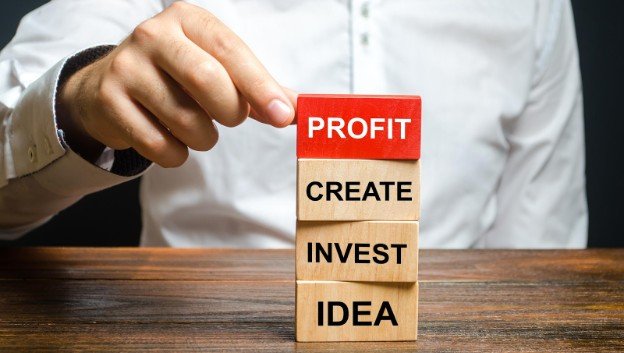
One of the most important lessons I learned is that your strategy has to match your lifestyle. Copying someone else’s approach rarely works long term.
When I adjusted my system based on my income, priorities, and habits, everything became easier to maintain. It felt natural instead of forced. That’s when consistency truly clicked. And once consistency becomes natural, progress follows.
Frequently Asked Questions
1. What is the first step in building wealth?
Start by understanding your income and expenses in detail. This gives you control over your money and creates a strong foundation for everything else.
2. How long does it take to build wealth?
It depends on consistency and discipline. While small results can appear quickly, meaningful wealth usually takes years of steady effort.
3. Can I build wealth with a low income?
Yes, because consistency matters more than the amount. Even small contributions, when repeated over time, can grow significantly.
4. How to Build a Long-Term Wealth Strategy without investing?
You can begin by saving, budgeting, and reducing debt. However, long-term growth usually requires investing to build meaningful wealth over time.
What Actually Makes This Work
If I’m being honest, everything changed when I stopped chasing perfection and focused on consistency. I no longer try to optimize every financial decision or predict every outcome. Instead, I follow a system that works over time. I keep it simple, repeatable, and aligned with my goals.
You don’t need a complex strategy to build wealth. You need a system you can stick to, even on your worst days. Once you have that, progress becomes steady—and that’s what truly makes this work.