





There was a time when getting a simple update meant chasing multiple people, checking different spreadsheets, and still not trusting the final numbers. Most teams didn’t question it. That was just how work functioned: fragmented, slow, and dependent on constant follow-ups.
Then things started shifting. Not suddenly, but steadily. Systems became more connected. Information started flowing instead of being requested. That’s where ERP software solutions began changing how teams actually work, not just what they use, but how they think, decide, and collaborate every day.
The Move From Fragmented Work to Connected Operations
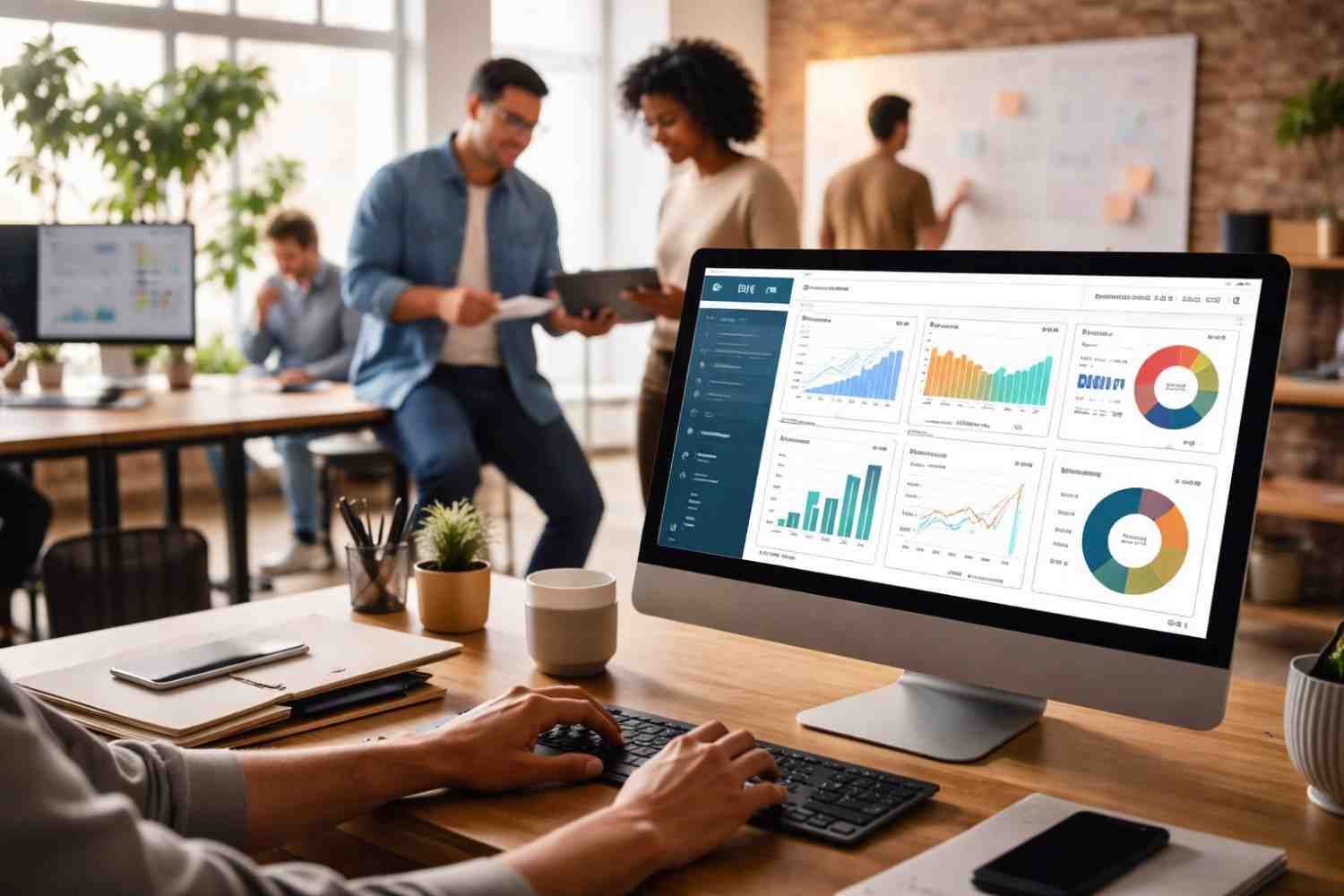
Earlier, departments operated in isolation. Finance had its own reports, operations had separate tools, and sales often relied on outdated data. Even basic coordination required meetings or emails.
ERP changes that completely structure.
Instead of disconnected tools, teams now operate inside one unified system. Information doesn’t need to be transferred; it’s already shared. This removes delays that used to feel normal.
The result is simple: work moves faster because it no longer depends on coordination.
From Data Silos to a Single Source of Truth
One of the biggest shifts is how teams interact with data. Before ERP, data lived in multiple places. Different versions existed at the same time, and no one was fully sure which one was accurate.
With ERP systems in place:
- A sales update instantly reflects across inventory and finance
- Reports update in real time
- Teams stop relying on manual data sharing
This creates what most organizations aim for but rarely achieve a single source of truth.
When everyone works with the same data, decisions stop being delayed by doubt.
Communication Becomes Part of the Workflow
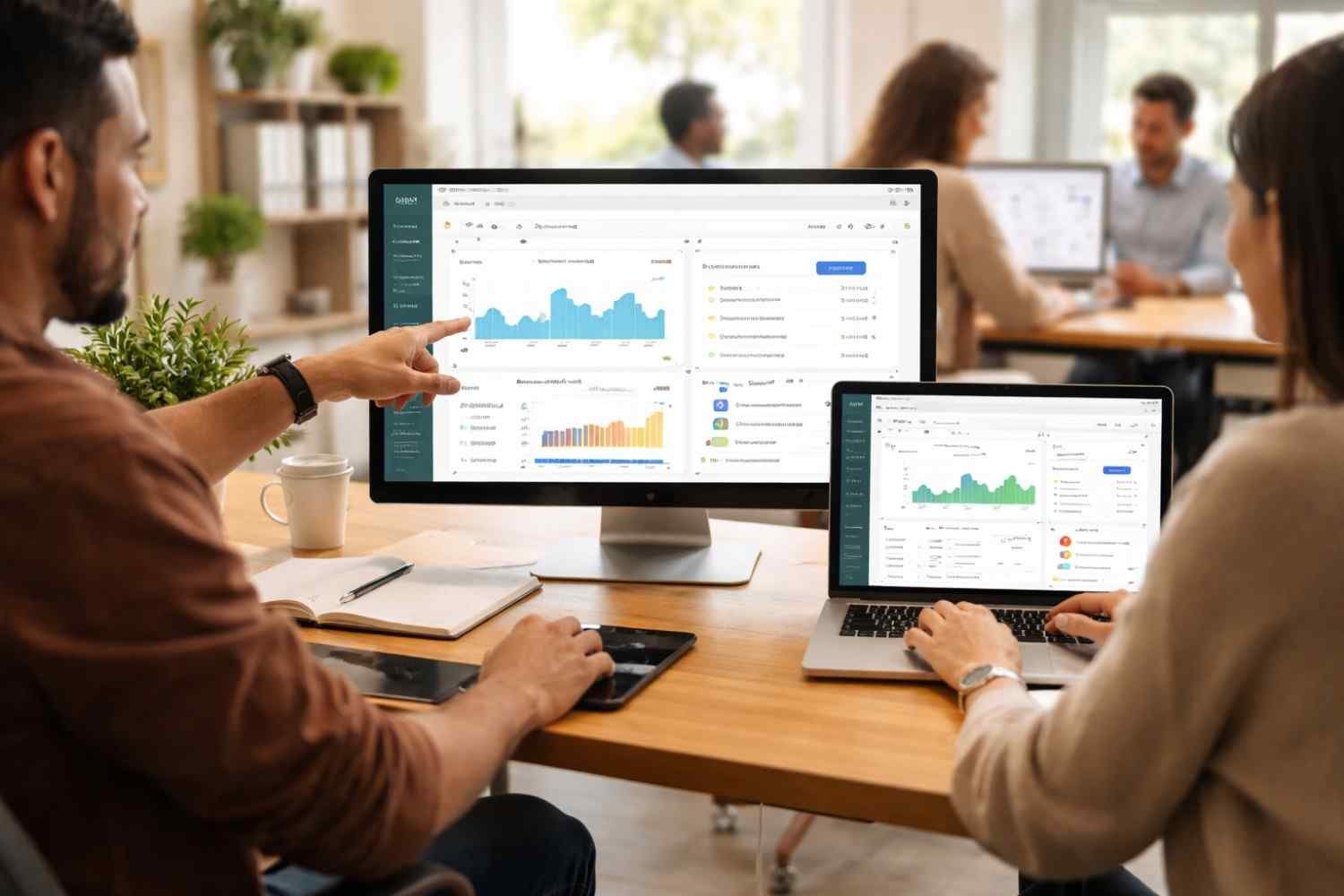
Traditional communication tools separate conversations from actual work. Emails, messages, and calls exist outside the task itself, which creates context gaps.
ERP systems bring communication inside the workflow.
Teams can:
- Comment directly on tasks or transactions
- Attach documents within the system
- Track updates without switching tools
This reduces unnecessary conversations. More importantly, it keeps discussions tied to real work instead of scattered across platforms.
Automation Frees Up Time for High-Value Work
A significant part of the team’s workload used to involve repetitive administrative tasks, such as processing invoices, updating records, and tracking inventory manually.
ERP systems automate much of this.
Organizations often see:
- 10–20% time savings across teams
- Faster execution of routine processes
- Fewer manual errors
But the real change is not just efficiency. It’s what teams do with that saved time.
Instead of repetitive work, teams focus more on:
- Solving problems
- Planning ahead
- Improving processes
This is where ERP software solutions start shifting teams from execution to thinking.
Distributed Teams Stay Aligned Without Extra Effort

Work is no longer tied to a single location, but alignment used to be. Without a shared system, remote and hybrid teams struggled with visibility and coordination.
Cloud-based ERP systems solve this by providing:
- Real-time access to shared dashboards
- Consistent workflows across locations
- Immediate visibility into operations
Teams don’t need to ask for updates because the system already reflects them.
This is also where the evolution overlaps with next-generation AI software, where systems don’t just store information but actively support decision-making and workflow optimization.
Accountability Becomes Clear and Structured
In many teams, unclear ownership leads to delays. Tasks move forward, but responsibility remains vague.
ERP systems introduce structured workflows and role-based access. Every task has defined ownership and status.
This leads to:
- Clear accountability at every stage
- Reduced dependency on follow-ups
- Fewer coordination gaps
Teams don’t need to constantly check who is responsible. The system already defines it.
Measurable Impact on Team Efficiency

The impact of ERP is not just operational; it’s measurable. Organizations adopting these systems often see:
- Order processing time reduced by 20–30%
- Reporting and analysis time reduced by 50–70%
- Operational efficiency improved by around 20%
- Error rates reduced by 30–40%
- Month-end closing cycles shortened by roughly 30%
These numbers reflect one core change: less time spent managing work, more time spent doing meaningful work.
How Management Roles Are Quietly Changing
ERP doesn’t just affect teams; it changes how leadership operates.
Earlier, managers spent a significant amount of time:
- Collecting updates
- Reviewing delayed reports
- Following up on tasks
With ERP systems, that dynamic shifts.
Leaders now work with:
- Real-time dashboards
- Live performance data
- Immediate visibility into risks
Instead of chasing updates, they focus on exceptions and issues that actually need attention.
This changes management from reactive to proactive.
FAQs: How ERP Software Solutions Are Changing the Way Teams Actually Work
1. What are ERP software solutions used for?
ERP software solutions are used to integrate core business functions like finance, HR, inventory, and operations into a single system for better efficiency and visibility.
2. How do ERP systems improve team productivity?
They reduce manual work, eliminate data silos, and provide real-time information, allowing teams to make faster and more accurate decisions.
3. Are ERP systems suitable for small businesses?
Yes, many modern ERP systems are designed for growing businesses and can scale as operations expand.
4. What is the biggest benefit of ERP for teams?
The biggest benefit is having a centralized system that improves collaboration, reduces errors, and streamlines workflows.
Final Thoughts
ERP systems don’t change work by adding more tools; they change it by removing friction. What used to take multiple steps, approvals, and follow-ups now happens within a single system. Teams don’t feel overwhelmed by coordination anymore because much of it is handled in the background. Over time, this creates a work environment that feels more stable, predictable, and efficient without forcing people to adapt constantly.
And once teams experience that level of clarity, going back to disconnected systems doesn’t really feel like an option anymore.