




If you’re getting traffic but not enough leads, I’ve been there—and it’s frustrating.
People visit your website, scroll for a few seconds, and leave without taking action. No form submissions, no calls, nothing. That’s exactly why I started using an AI chatbot for lead generation, and honestly, it changed how my entire funnel works.
Instead of waiting for visitors to fill out static forms, I now engage them instantly with real conversations. The chatbot identifies what they need, asks smart questions, and qualifies them before I even step in. The best part is it runs 24/7 across my website and social channels, so I never miss an opportunity.
In this guide, I’ll show you exactly how I use chatbots to capture high-quality leads, the tools that actually work in 2026, and the simple setup process you can follow to start seeing results fast.
What Is an AI Chatbot for Lead Generation and How Does It Actually Work?
If you’ve ever struggled with visitors leaving your site without converting, this is exactly where chatbots change the game.
An AI chatbot for lead generation is a digital assistant that identifies, engages, and qualifies potential customers in real time. Instead of relying on static forms, it interacts with users across websites, WhatsApp, and social platforms to capture leads instantly.
Here is the deal. When someone lands on your site, the chatbot starts a conversation. It asks relevant questions, understands intent, and collects information step by step. By the time the interaction ends, you already know if the lead is worth pursuing.
What surprised me the most is how quickly it filters out low-quality prospects. That alone saves hours of manual work.
Why AI Chatbots Outperform Lead Forms and Live Chat
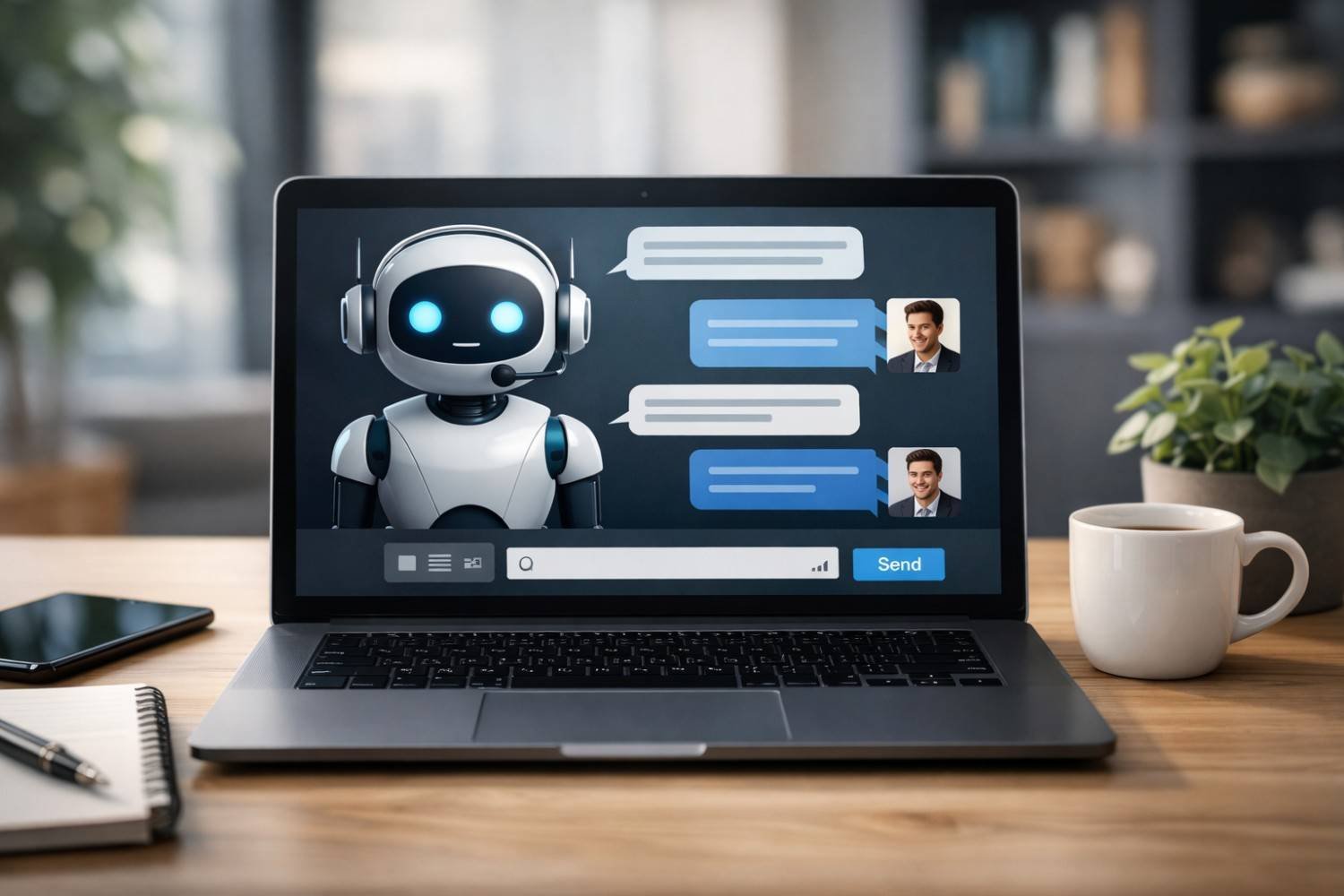
I used to depend on lead forms, but they felt outdated the moment I switched.
The difference becomes obvious when you compare how each method works in real scenarios.
AI chatbots respond instantly, keep users engaged through conversation, and operate 24/7 without human intervention. Lead forms, on the other hand, require users to fill out static fields, which often leads to drop-offs. Live chat works well, but it depends on agent availability, which limits scalability.
In my experience, chatbot marketing consistently delivers higher conversion rates because it reduces friction and keeps users interacting longer.
Best AI Chatbot Tools for Lead Generation in 2026
Choosing the right tool depends on your business model, and I’ve tested enough to know that one size does not fit all.
Lindy stands out when you need advanced multi-agent workflows. It handles lead sourcing, enrichment, and outreach across multiple channels.
Drift works best for high-traffic B2B companies that need real-time routing and instant meeting booking.
Tidio is ideal for online stores, especially for cart recovery and customer engagement.
Landbot is perfect if you want a visual drag-and-drop builder for WhatsApp and website flows.
HubSpot Chatbot Builder fits seamlessly if you already use HubSpot for managing leads.
Intercom offers a strong hybrid approach by combining automation with human support.
Each of these tools aligns with specific use cases, which is why choosing based on your workflow matters more than features alone.
Key Benefits That Actually Impact Revenue
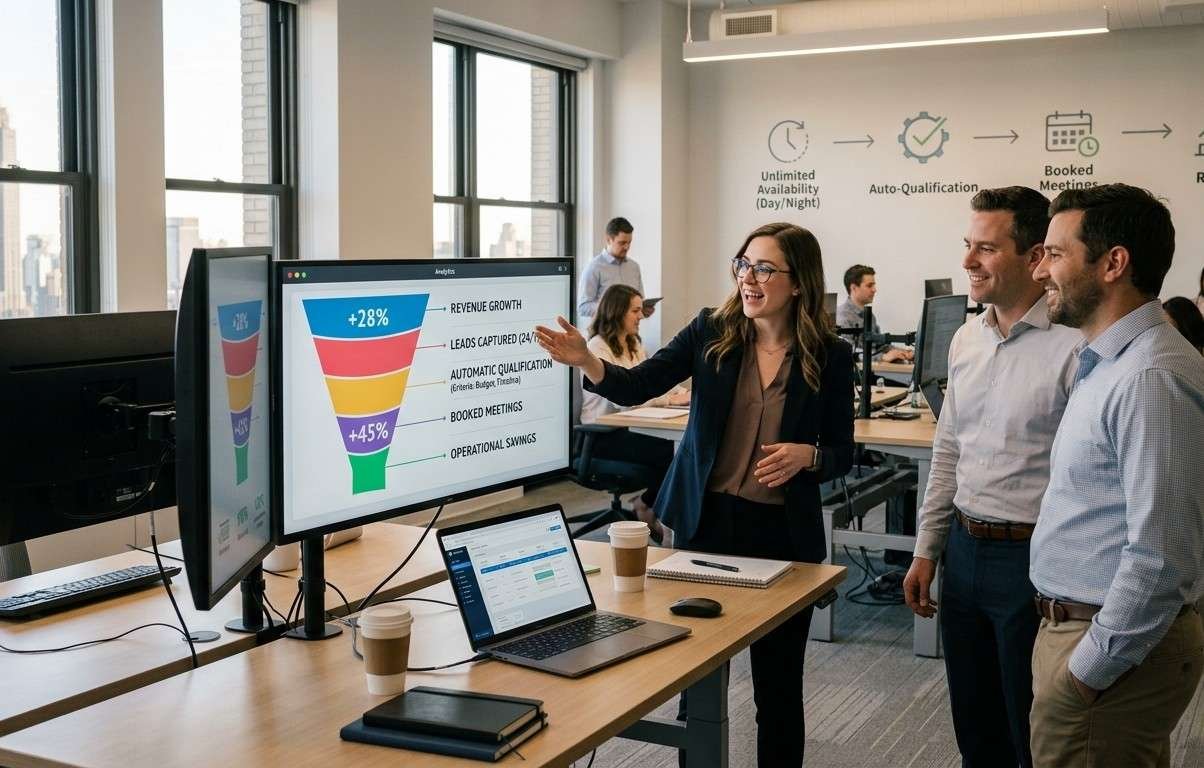
What convinced me to fully adopt chatbot automation was not just convenience but measurable results.
First, availability becomes unlimited. The chatbot captures leads even when your team is offline, which means no missed opportunities.
Second, qualification becomes automatic. The system filters prospects based on criteria like budget or timeline before they reach your sales team.
Third, conversions increase because users can book meetings instantly without leaving the chat.
Finally, operational costs go down because repetitive tasks are handled automatically instead of requiring additional staff.
These benefits directly improve ROI (Return on investment) and make growth more predictable.
How I Use an AI Chatbot for Lead Generation Across My Funnel
Most people treat chatbots as a simple add-on. I use them as a full funnel system.
At the awareness stage, the chatbot greets visitors and helps them find relevant content. This builds trust and keeps them engaged.
In the consideration stage, it asks qualifying questions like budget, timeline, and goals. This helps separate serious prospects from casual visitors.
At the decision stage, it schedules meetings or connects users directly to sales teams. This is where I see the biggest jump in conversions.
Once I implemented this structure, my lead quality improved almost immediately.
How to Set Up an AI Chatbot for Lead Generation (My Exact Process)
When I set up my chatbot system, I kept the process simple but strategic.
I start by defining the goal. Whether I want to capture emails, qualify leads, or book calls, the chatbot needs a clear purpose.
Then I train the AI using real business data. This includes website content, FAQs, and even internal documents. This step is often ignored, but it makes a huge difference in response quality.
Next, I integrate it with my CRM (Customer relationship management) so every interaction is automatically stored and tracked.
After that, I set triggers based on user behavior. For example, the chatbot activates when someone spends a certain amount of time on a page or shows exit intent.
Finally, I test and optimize continuously. I review conversations, identify drop-off points, and refine the flow.
This is where most of the performance gains happen.
Common Mistakes That Reduce Chatbot Conversions
I’ve made these mistakes myself, and they cost me leads early on.
The biggest issue is asking too many questions upfront. Users lose interest quickly if the conversation feels long or complicated.
Another problem is poor timing. If the chatbot appears too aggressively, it interrupts the user experience.
A third mistake is failing to follow up. Capturing leads means nothing if there is no structured follow-up process.
Fixing these issues alone improved my conversion rates significantly.
The Real Reason AI Chatbots Improve Lead Quality

The biggest shift I noticed was not just more leads, but better ones.
By the time someone finishes interacting with the chatbot, they have already shared key details. This means my sales team spends less time qualifying and more time closing.
From a cost perspective, this reduces customer acquisition cost and improves efficiency across the board.
That is the real advantage most people overlook.
FAQs About AI Chatbot for Lead Generation
1. How does an AI chatbot qualify leads automatically?
It asks targeted questions and filters users based on responses like budget, intent, and timeline before passing them to sales teams.
2. Are chatbots better than traditional lead forms?
Yes, because they create interactive conversations that reduce friction and increase completion rates significantly.
3. Can chatbots work across multiple channels?
Yes, modern chatbots operate on websites, WhatsApp, and social media, making them highly scalable.
4. Do AI chatbots reduce marketing costs?
Yes, they automate repetitive tasks and reduce the need for manual lead qualification, lowering overall acquisition costs.
What Actually Changed My Lead Generation Results
When I look back, the biggest change was not just adopting automation but changing how I think about lead generation, especially how it connects with PPC lead generation.
Instead of treating it as a static process, I turned it into a conversation. That shift alone improved engagement, lead quality, and conversions.
If you approach AI chatbot for lead generation the same way and align it with your PPC lead generation strategy, you will see faster and more consistent results without increasing your ad spend.