




You don’t have a traffic problem—you have a cost problem.
I learned that the hard way after spending thousands on ads that looked good on paper but barely moved my bottom line. More clicks didn’t mean more profit. In fact, the more I scaled, the more expensive everything became.
That’s when I realized something most businesses overlook: growth without efficiency is just expensive noise.
Understanding how to reduce customer acquisition costs completely changed my strategy. I stopped chasing volume and started focusing on precision—targeting the right people, converting them better, and keeping them longer.
In this blog, I’ll show you the exact system I use to lower CAC, stretch every marketing dollar, and build growth that actually compounds instead of draining your budget.
What Is Customer Acquisition Cost and Why It Impacts Profitability
Customer Acquisition Cost (CAC) is the total amount you spend to acquire a new customer, including marketing, ads, tools, and sales efforts.
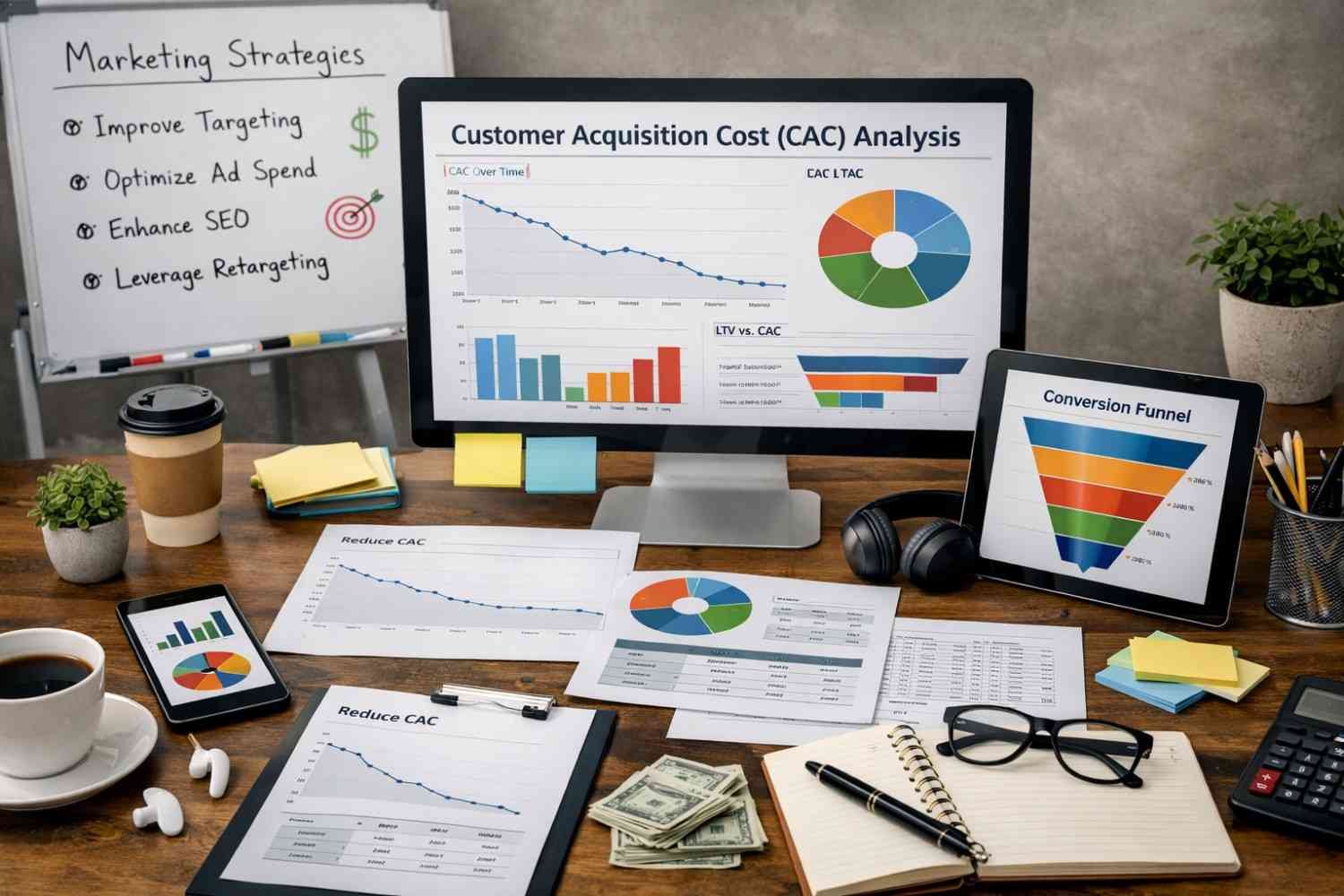
I always measure CAC alongside Customer Lifetime Value (LTV). If your CAC is too high compared to LTV, your business model breaks.
A strong benchmark I follow is a 3:1 LTV to CAC ratio, meaning every dollar spent should return at least three dollars in revenue.
How to Reduce Customer Acquisition Cost With a Smarter System
To truly lower CAC, I stopped thinking in terms of channels and started thinking in systems.
The system has three parts:
- Targeting efficiency
- Conversion optimization
- Retention and lifetime value
Once I aligned all three, my acquisition costs dropped consistently.
How Precision Targeting Eliminates Wasted Marketing Spend
Most businesses overspend because they target the wrong people.
When I refined targeting, I immediately saw better ROI (return on Investment) without increasing budget.
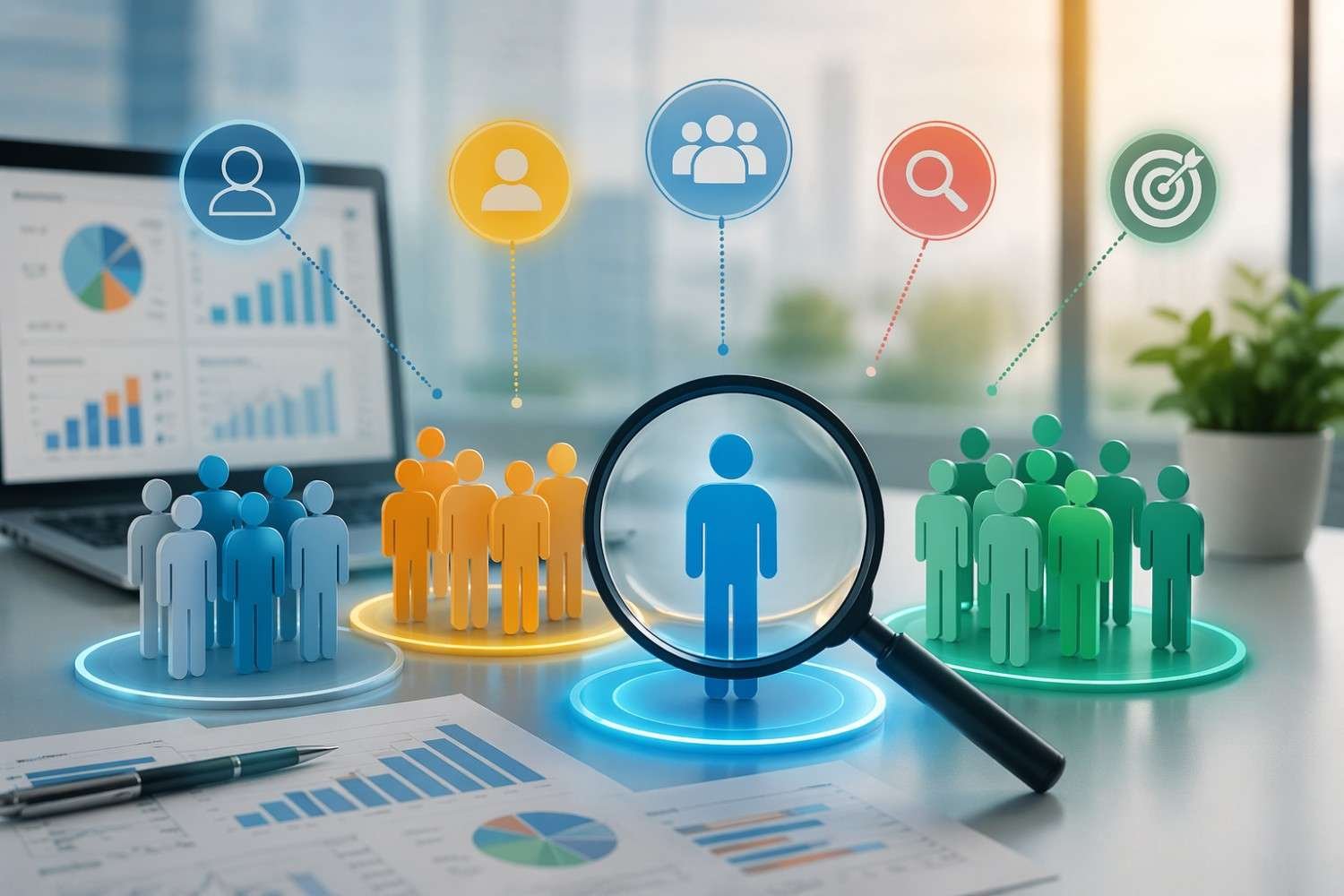
I segment my audience into three groups:
- New prospects
- Warm leads
- Returning customers
Each group gets a different message. This alone reduces wasted spend significantly.
I also rely on lookalike audiences built from top-performing customers. Platforms like Google Ads and Meta allow you to replicate your best users, which improves conversion rates.
Another major shift I made was using negative keywords. By excluding irrelevant searches, I stopped paying for clicks that never converted.
For B2B campaigns, intent-based targeting changed everything. Instead of guessing, I focused on users already researching solutions, which dramatically improved lead quality.
How Conversion Rate Optimization Instantly Lowers CAC
Here is the deal: if you double your conversion rate, you cut your CAC in half.
I focused heavily on improving my funnel instead of just driving more traffic.
First, I simplified the user experience. Long forms and complicated steps kill conversions. I reduced friction everywhere possible.
Then I improved page speed. A slow site means you’re paying for traffic that never even sees your offer.
I also continuously test elements like headlines, layouts, and calls to action. Even a small increase in conversion rate can reduce CAC by 10–20%.
Retargeting became another major lever. Most users don’t convert on the first visit. By bringing them back with personalized ads, I recovered lost opportunities at a lower cost.
Why SEO and Content Marketing Reduce CAC Over Time
Paid ads deliver fast results, but they keep charging you for every click.
SEO and content marketing changed that for me.
By building content that ranks on Google, I created a steady stream of organic traffic that doesn’t require ongoing spend. Over time, this reduces dependency on ads and lowers CAC significantly.
Content also builds trust. When users find you through search, they are already solution-aware, which improves conversion rates.
How Referral and Performance-Based Channels Lower CAC

One of the biggest improvements I made came from diversifying acquisition channels.
Referral programs bring in high-quality customers because they come with built-in trust. These leads convert faster and often have higher lifetime value.
I also tested affiliate partnerships where I only pay after a successful sale. This removes upfront risk and keeps CAC predictable.
Micro-influencers were surprisingly effective as well. Smaller creators often have more engaged audiences, and their recommendations feel more authentic than large-scale promotions.
How Retention Lowers Your “Effective” Customer Acquisition Cost
This is where most businesses miss the real opportunity.
Acquiring a new customer can cost five to twenty-five times more than retaining an existing one. That means retention directly impacts CAC.
When customers buy again, your original acquisition cost spreads across multiple purchases.
I focused on:
- Strong onboarding experiences
- Email follow-ups
- Loyalty programs
- Ongoing value through content
Marketing automation helped me scale this without adding manual effort. Keeping customers engaged reduces the need for constant acquisition.
How I Balance Paid Ads and Organic Growth to Control CAC
I don’t rely on one channel anymore.
Paid ads give me speed, while SEO gives me stability.
I often use ads to test messaging. Once I find what works, I turn it into content that ranks organically. This approach reduces risk and improves long-term efficiency.
If you’re building your system, having the right tools matters. Exploring solutions like the best Customer relationship management (CRM) software for small businesses can help track leads, optimize funnels, and improve conversion tracking.
How to Reduce Customer Acquisition Cost Step by Step
When I started optimizing CAC seriously, I followed a clear process.
First, I audited all acquisition channels to identify where money was being wasted.
Then I improved targeting by refining audiences and excluding low-quality traffic.
Next, I focused on conversion rate optimization by simplifying funnels and testing key elements.
After that, I invested in SEO and content to build sustainable traffic.
Finally, I strengthened retention strategies so every customer generated more value over time.
This structured approach helped me reduce CAC without sacrificing growth.
What Is a Good Customer Acquisition Cost in the US Market
There’s no universal number, but what matters is profitability.
As long as your LTV significantly exceeds CAC, your business is in a healthy position.
In competitive US markets, CAC tends to be higher, which makes efficiency even more important. That’s why optimizing targeting, conversion, and retention is critical.
FAQs About How to Reduce Customer Acquisition Cost
1. What is the fastest way to reduce customer acquisition cost?
Improving conversion rates delivers the fastest results because it increases output without increasing spend.
2. Does retargeting help lower CAC?
Yes, retargeting brings back high-intent users who already showed interest, which improves conversions at a lower cost.
3. How does SEO reduce CAC over time?
SEO generates consistent organic traffic, reducing reliance on paid ads and lowering long-term acquisition costs.
4. What is the ideal LTV to CAC ratio?
A ratio of at least 3:1 is considered healthy for sustainable growth.
What Actually Moves the Needle in Reducing CAC
If I had to simplify everything I’ve learned, it comes down to this.
Stop chasing more traffic. Start improving what you already have.
When you combine precise targeting, better conversion rates, and strong retention, your costs naturally decrease while your growth becomes more stable. That’s where smart client acquisition strategies make all the difference.
That’s how I approached learning how to reduce customer acquisition cost, and it continues to work because it’s built on efficiency, not guesswork.